Industry best practices for efficient AOG services prioritize speed and precision. Establishing predefined emergency protocols accelerates decision-making. Teams liaise between airlines, maintenance crews, logistics providers to synchronize part sourcing and transport. Implementing redundancy in supplier networks mitigates risks of single-source delays. Continuous performance analytics identify process bottlenecks and drive improvements. Regular training drills ensure staff readiness for critical scenarios. Leveraging technology platforms centralizes communication, tracking, documentation for streamlined AOG responses.
Definition and Key Features
What Is Full-Truckload (FTL) Shipping?
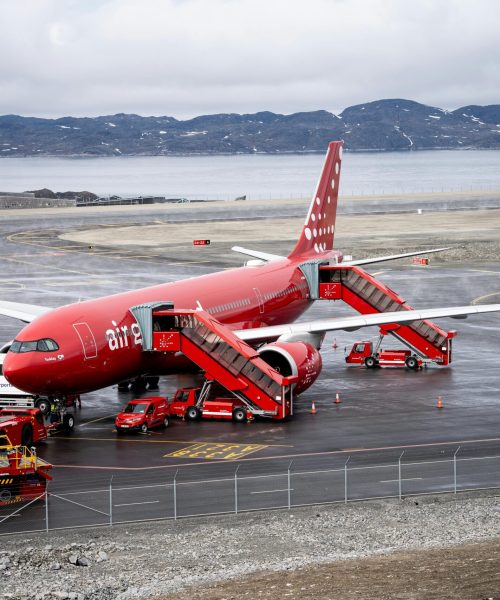
AOG (Aircraft on Ground) describes a situation where an aircraft is grounded due to mechanical failure or missing parts. Immediate response and specialized logistics coordination minimize costly downtime and operational disruption. Key features include rapid sourcing of replacement components, guaranteed priority handling, 24/7 emergency support, and dedicated transport solutions. Comprehensive full tracking enhances visibility. AOG services also integrate expedited customs clearance, on-site technical assistance, and proactive communication to restore aircraft airworthiness swiftly.
Aircraft on Ground (AOG) service delivers urgent supply chain support when aircraft are grounded due to technical issues. It coordinates rapid mobilization of spare parts, specialists, and expedited transport to enable immediate repairs. Airlines implement AOG protocols to avoid costly delays and revenue loss. This service includes priority customs clearance, real-time shipment tracking, and dedicated logistics teams. AOG support ensures swift restoration of flight operations, minimizing downtime and operational disruption.